
4 out of 5
Young children in our communities don’t have access to high-quality early education before kindergarten.
Success in life begins with language development and a love of reading at a young age.

A child’s vocabulary at age 3 can help predict how well they’ll read by third grade. That’s because the first few years of life are packed with language learning. Every word a child hears — whether through story time, daily conversations or singing — helps build their language skills for life.
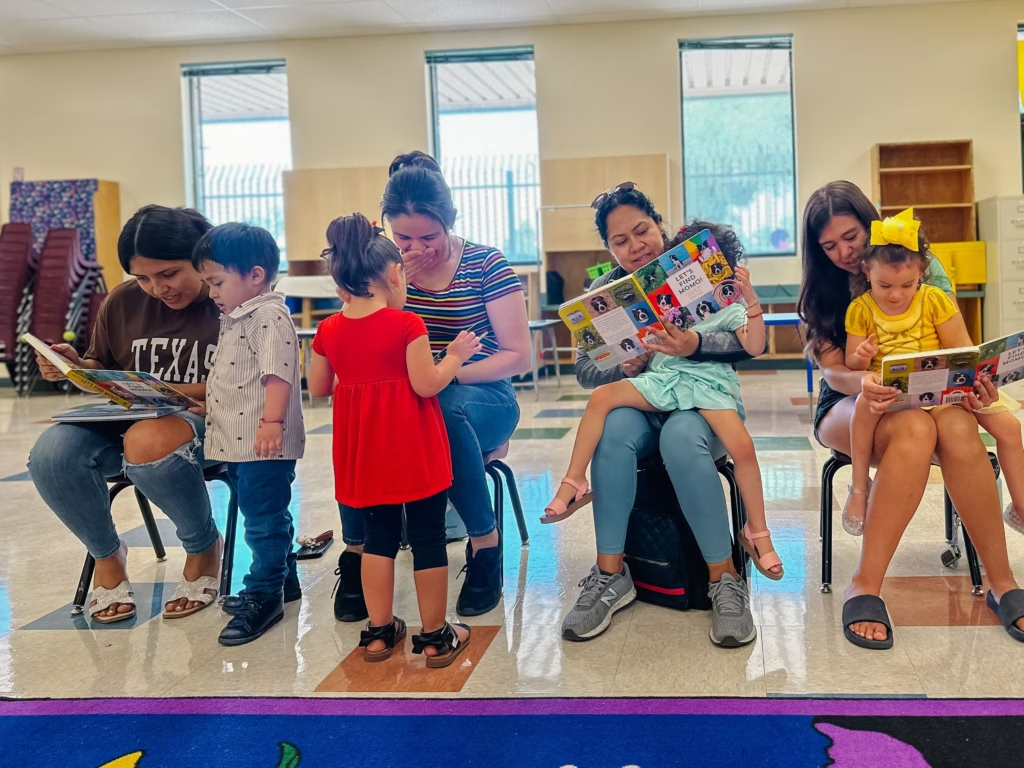
Children learn words we call “business talk” through their family’s daily routine, such as dinner time, bedtime and going to the store. But stories help introduce new words to a child’s vocabulary. When families read, children hear more complex and sophisticated language, which becomes the foundation of their early literacy skills.
When families share books, they typically have more “extra talk,” which goes beyond the words used every day. Kids hear richer words and more affirmations. That “extra talk” builds confidence. Research shows that children exposed to more language at a young age develop stronger vocabularies and reading skills by third grade.
For many families, poverty limits access to the early learning experiences that set children up for success. In our communities, nearly 80% of young children lack access to high-quality early education before kindergarten. Without those early opportunities, many children start kindergarten already behind. In fact, according to the Annie E. Casey Foundation, half of the school achievement gap between economically disadvantaged young children and their more affluent peers starts before kindergarten.
Children rarely catch up. Research shows that children who are struggling readers in first grade are 88% more likely to be struggling readers in fourth grade. When children struggle to read in fourth grade, they are four times more likely to drop out of high school. If children are not on track by the end of third grade, their chances for success decrease substantially. While efforts are made to catch them up by third grade, we know there is an easier way. Ensuring children have high-quality early education experiences before age 5 can make all the difference.
More Likely to Drop Out
Children who struggle to read in fourth grade are four times more likely to drop out of high school.
From Day 1, a child’s brain begins forming connections very quickly — connections that build the foundation for all learning. In fact, by age 5, a child’s brain has reached about 90% of its adult size, making the early years a critical time for building the foundations for learning and development.
Young children in our communities don’t have access to high-quality early education before kindergarten.

Children under age 5 live in poverty and are in danger of falling behind before they even start kindergarten.
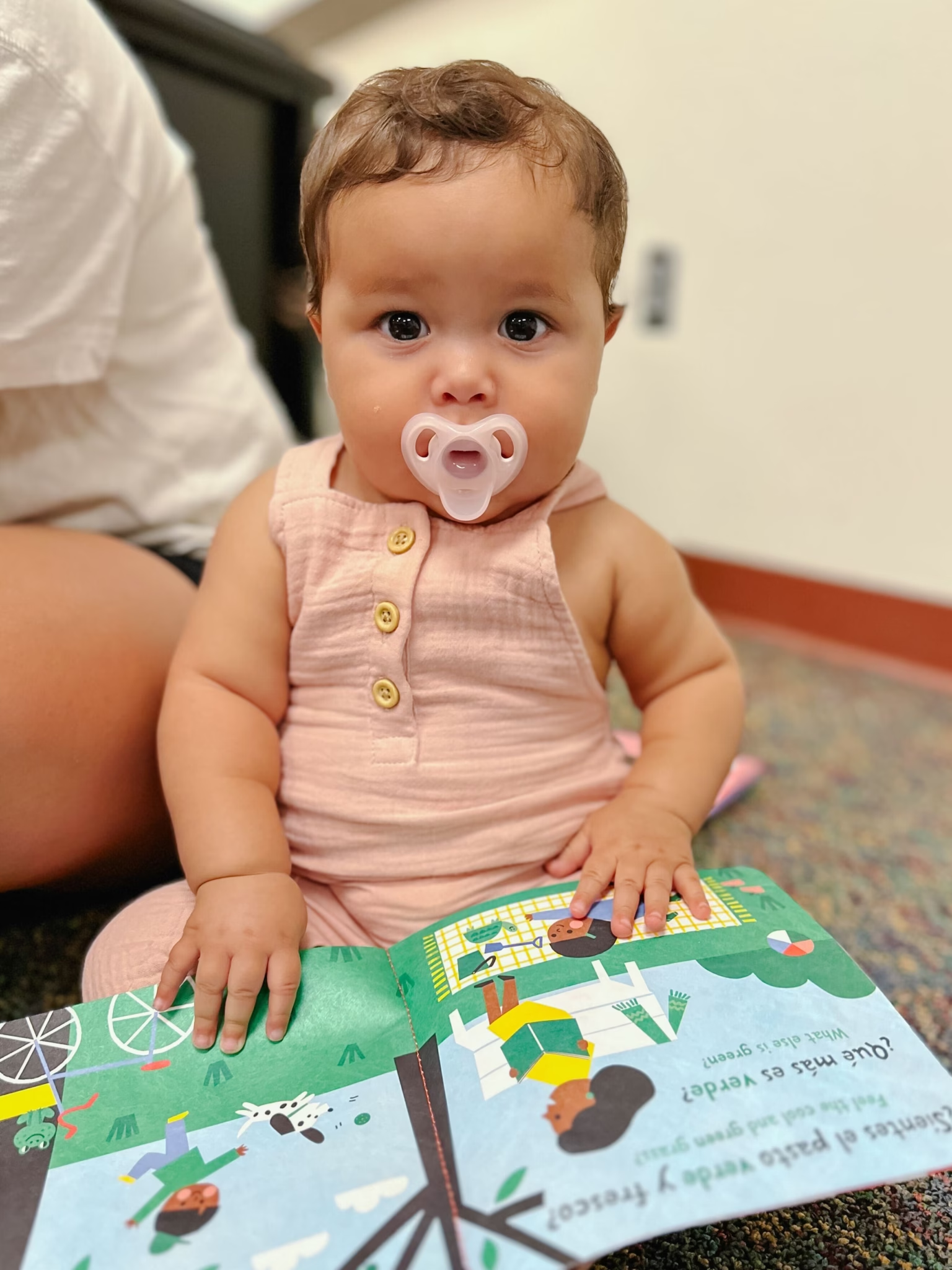
Access to books plays a powerful role in helping children learn to read. When books are in the home, families tend to spend more time reading together.
And this builds a genuine enjoyment of books and more positive attitudes toward reading and learning.
Research shows that early reading experiences, opportunities to build vocabulary and literacy-rich environments are some of the most effective ways to support the development of pre-reading and cognitive skills. Building literacy skills in early childhood helps ensure that children are prepared for success in school, including grade-level reading, and throughout life.

